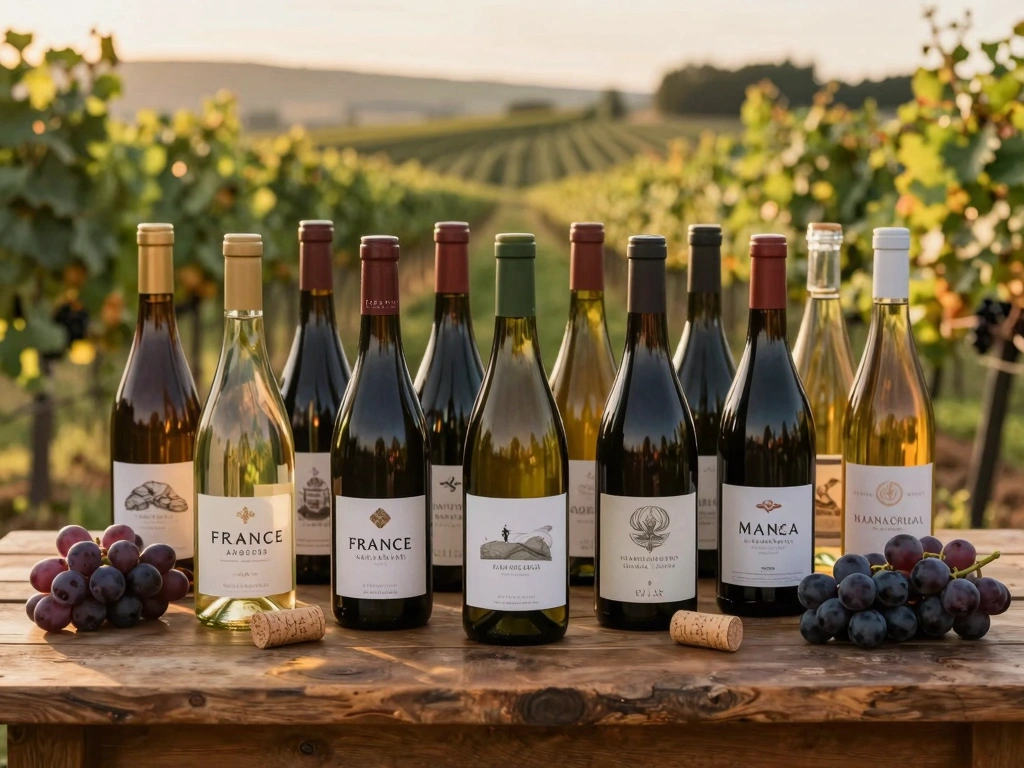
Profile of Natural Wine Producers in Europe
The French Revolution in Natural Wine
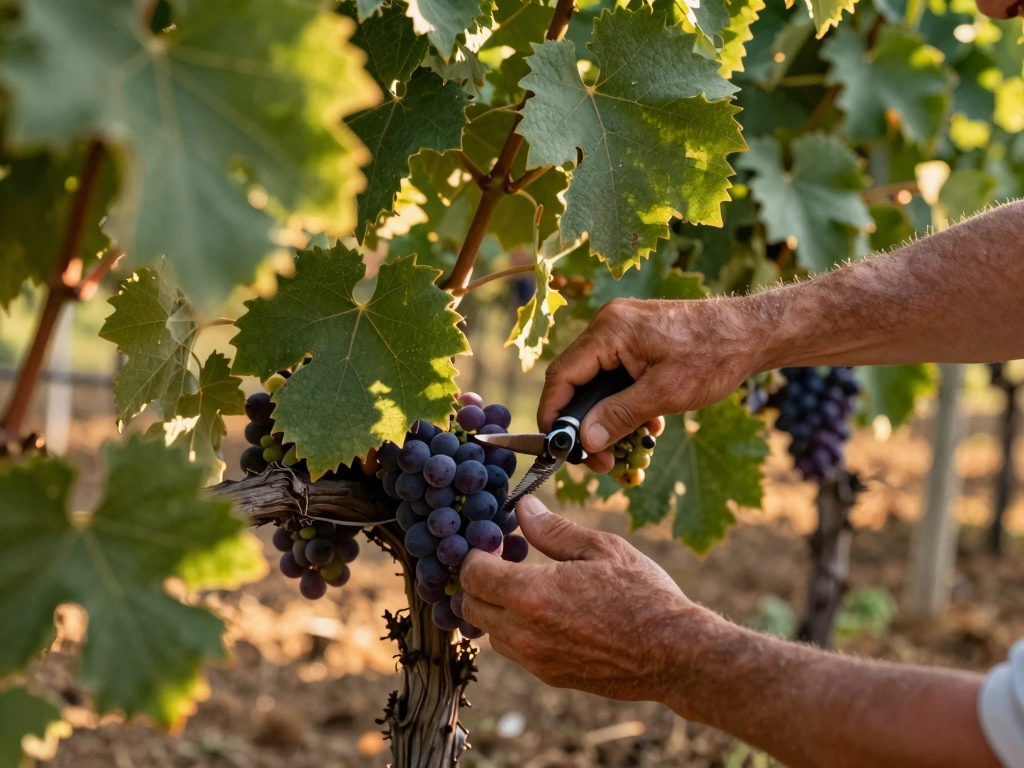
France, often regarded as the epicenter of wine culture, has seen a groundbreaking shift towards natural wine production over the past few decades. The term "natural wine" typically refers to wines made with minimal intervention, using organic or biodynamic grapes, and avoiding additives such as sulfites. The revolution began in earnest in the 1980s with pioneers like Marcel Lapierre in Beaujolais, who showcased the potential of naturally fermented wines.
Regions such as the Loire Valley, Burgundy, and Alsace have become hotbeds for natural wine producers. In the Loire, winemakers like François Chidaine have adopted organic farming practices, producing vibrant Chenin Blanc and Cabernet Franc. Burgundy's Romain Guiberteau exemplifies the melding of tradition and innovation, creating biodynamic wines that reflect the terroir.
Furthermore, the annual Salon des Vins de Loire highlights the diversity and quality of natural wines, attracting both connoisseurs and curious novices alike. France's influence on the global natural wine movement is undeniable, establishing benchmarks that resonate well beyond its borders.
Italian Biodynamic Practices
Italy's diverse climate and regional specialties have made it a fertile ground for natural wine production. Regions like Tuscany, Piedmont, and the Veneto are at the forefront of this movement, with many producers adopting biodynamic practices. A notable example is Tenuta di Valgiano in Tuscany, which emphasizes a holistic approach to viticulture, resulting in wines that are expressive of their surroundings.
The Gambero Rosso awards have recognized many biodynamic producers, showcasing the growing acceptance and appreciation for these wines. Producers like Giovanni Pignotti in Emilia-Romagna and Francesca Padovani in Friuli-Venezia Giulia are gaining international acclaim, crafting wines that tell the story of their unique landscapes.
This commitment to natural practices not only reflects a return to ancient methods but also points to the future of winemaking in Italy, with an increasing number of producers embracing organic certifications and biodynamic principles.
Spanish Regions Leading the Natural Wine Movement
Spain's wine landscape is shifting dramatically, with a growing number of producers turning to natural wine methods. Regions such as Catalonia, the Basque Country, and Galicia are leading the charge, introducing innovative techniques and reclaiming traditional practices. Priorat, known for its robust red wines, is home to Alfredo Arribas, whose commitment to organic farming and low-intervention techniques has garnered attention.
In the Basque Country, Txakoli producers are experimenting with natural methods, resulting in fresh, vibrant wines that exemplify the region's character. Additionally, the Rías Baixas region in Galicia has embraced natural winemaking, with producers like Rafael Palacios creating exceptional Albariño using minimal intervention practices.
The Spanish natural wine scene is characterized by a sense of community and collaboration, with events like the Natural Wine Fair in Madrid fostering dialogue and exchange among producers and wine lovers. This growing movement reflects a deeper connection to the land, emphasizing authenticity and sustainability.
Natural Wine Makers of North America
The Rise of Natural Wine in California
California has emerged as a prominent player in the natural wine movement, with regions like Sonoma and Napa leading the charge. The influence of figures like Josh Jensen of Calera Wine Company and Randall Grahm of Bonny Doon Vineyard has been pivotal in promoting organic and sustainable winemaking practices. Jensen's commitment to terroir-driven Pinot Noir, grown in limestone-rich soils, exemplifies the natural wine ethos.
In recent years, the Santa Barbara region has gained recognition for its natural wine producers, such as Ryan Roark of Roark Wine Company, who focuses on minimal intervention and native yeasts. The annual Natural Wine Festival in Los Angeles showcases a diverse selection of California's natural wines, highlighting both established and emerging producers.
California's natural winemakers are not just focused on quality; they are also committed to sustainability, with many using regenerative farming practices to enhance soil health and biodiversity. This shift towards environmentally conscious practices aligns with the values of a growing consumer base eager for authentic, natural products.
Emerging Producers in Oregon's Wine Country
Oregon's wine country, particularly the Willamette Valley, has become a hotspot for natural wine production. The region's cool climate and diverse soils allow for a variety of grape varieties to flourish, particularly Pinot Noir and Chardonnay. Producers like Scott Frank of Oregon Wine Lab are at the forefront, crafting small-batch wines using organic grapes and native fermentation.
The Natural Wine Alliance has been instrumental in promoting natural wine practices in Oregon, fostering community among producers and raising awareness among consumers. Events like the Oregon Wine Experience highlight the innovative approaches of local winemakers, showcasing how they are redefining the state's wine identity.
With a focus on sustainability and ecological balance, Oregon's natural wine producers are not only creating exceptional wines but also contributing to the broader conversation about responsible agriculture and food systems.
Natural Wine Trends in the Canadian Wine Scene
Canada's natural wine scene is rapidly evolving, with producers across the country embracing organic and biodynamic practices. British Columbia's Okanagan Valley is particularly noteworthy, with wineries like Hester Creek and Okanagan Crush Pad leading the way in natural winemaking. These producers focus on minimal intervention and sustainable practices, creating wines that reflect the unique terroir of the region.
Ontario's Niagara Peninsula is also home to a growing number of natural wine producers, such as Malivoire Wine Company, which emphasizes organic farming and environmentally friendly practices. The annual Niagara Wine Festival serves as a platform for showcasing these innovative wines, drawing attention to Canada's burgeoning natural wine movement.
As consumers increasingly seek transparency in their food and drink choices, Canadian natural wine producers are well-positioned to meet this demand, highlighting their commitment to sustainability and quality.
Exploring Natural Wine Production in South America
Argentinian Innovations in Natural Winemaking
Argentina's wine industry has begun to embrace natural winemaking practices, particularly in regions like Mendoza and Patagonia. Producers such as Matías Riccitelli and Dominio del Plata are leading the way, crafting wines that reflect the unique characteristics of their terroirs. Riccitelli's focus on minimal intervention and organic grapes has resulted in vibrant Malbecs and exceptional whites.
The growing interest in natural wines has led to the establishment of the Argentina Natural Wine Association, which aims to promote organic and biodynamic practices among producers. This initiative has spurred innovation and collaboration, with many winemakers experimenting with unique blends and fermentation techniques.
Argentinian natural wines are gaining recognition on the international stage, with events like the Malbec World Day showcasing the country's diverse offerings. As more producers adopt sustainable practices, the future of natural winemaking in Argentina looks promising.
Chilean Regions Fostering Biodynamic Wines
Chile's wine industry is experiencing a renaissance, with a growing number of producers embracing biodynamic practices. Regions such as Casablanca Valley and Colchagua Valley are at the forefront of this movement, with wineries like Viña Leyda and Montes leading the charge. These producers focus on organic grapes and minimal intervention, creating wines that showcase the complexity of Chilean terroir.
The Chilean biodynamic movement is supported by organizations like Biodynamic Association of Chile, which promotes education and certification for producers. Annual events such as the Chilean Natural Wine Festival provide a platform for showcasing these innovative wines, attracting both local and international audiences.
As consumers increasingly seek environmentally conscious options, Chile's natural wine producers are well-positioned to meet this demand, highlighting their commitment to sustainability and quality.
Brazil's Growing Natural Wine Community
Brazil's natural wine movement is gaining momentum, particularly in regions like São Paulo and the southern states of Rio Grande do Sul and Santa Catarina. Producers such as Casa Valduga and Vinícola Lídio Carraro are leading the way, focusing on organic and biodynamic practices. These wineries are exploring unique grape varieties and innovative fermentation techniques, resulting in wines that reflect Brazil's diverse climate and terroir.
The establishment of events like the Brazil Natural Wine Festival has helped to raise awareness and promote the quality of Brazilian natural wines, attracting attention from both local and international wine enthusiasts. As the community continues to grow, Brazil is poised to make a significant impact on the global natural wine scene.
Natural Wine Practices in Asia
Japan's Unique Approach to Natural Wine
Japan's wine industry has seen a remarkable transformation in recent years, with a growing interest in natural wine production. Regions like Yamanashi, Nagano, and Hokkaido are at the forefront, with producers such as Château Mercian and Koshu Wine employing organic farming methods and minimal intervention techniques. Japanese natural wines often showcase unique grape varieties and regional characteristics.
Events like the Tokyo Wine Festival have highlighted the diversity and quality of Japanese natural wines, attracting both local and international audiences. As the market for natural wine continues to expand, Japan's producers are gaining recognition for their commitment to quality and sustainability.
Emerging Natural Wine Producers in China
China's wine industry is rapidly evolving, with a growing number of producers embracing natural wine practices. Regions like Ningxia and Xinjiang are emerging as hotspots for natural winemaking, with producers such as Silver Heights and Grace Vineyard leading the charge. These wineries focus on organic grapes and minimal intervention, creating wines that reflect the unique characteristics of their terroir.
The establishment of events like the China Natural Wine Fair has helped to raise awareness and promote the quality of Chinese natural wines, attracting attention from both local and international wine enthusiasts. As the community continues to grow, China's natural wine producers are poised to make a significant impact on the global wine market.
South Korea's Wine Culture and Natural Wine Movement
South Korea's wine culture is rapidly evolving, with a growing interest in natural wine production. Regions like Jeju Island and Gyeonggi Province are leading the way, with producers such as Château Plaisance and Wine Story focusing on organic and biodynamic practices. These wineries are exploring unique grape varieties and innovative fermentation techniques, resulting in wines that reflect South Korea's diverse climate and terroir.
The establishment of events like the Seoul Natural Wine Fair has helped to raise awareness and promote the quality of South Korean natural wines, attracting attention from both local and international wine enthusiasts. As the community continues to grow, South Korea's natural wine producers are well-positioned to make a significant impact on the global wine market.
Natural Wine Producers in Oceania
Australia's Pioneering Natural Wine Regions
Australia has emerged as a significant player in the natural wine movement, with regions such as the Adelaide Hills, Margaret River, and Tasmania at the forefront. Pioneering producers like Petaluma and Alpha Box & Dice are at the cutting edge of natural winemaking, focusing on organic and biodynamic practices. Their commitment to minimal intervention results in vibrant, expressive wines that reflect their unique terroirs.
The annual Natural Wine Festival in Melbourne showcases a diverse selection of Australian natural wines, providing a platform for both established and emerging producers. This growing movement emphasizes sustainability and authenticity, aligning with the values of a consumer base increasingly interested in natural and organic products.
New Zealand's Sustainable Winemaking Initiatives
New Zealand's wine industry is renowned for its commitment to sustainability, with many producers adopting organic and biodynamic practices. Regions like Marlborough and Central Otago are at the forefront of this movement, with wineries such as Greywacke and Rippon Vineyard focusing on sustainable viticulture and natural winemaking techniques.
The New Zealand Winegrowers organization supports the natural wine movement by promoting sustainability and environmental stewardship among producers. Events like the Marlborough Wine & Food Festival provide opportunities for showcasing New Zealand's diverse offerings, highlighting the quality and character of its natural wines.
Influence of Indigenous Practices on Natural Wines
Indigenous practices play a significant role in shaping the natural wine movement in Oceania. Many producers are drawing on traditional methods of viticulture and fermentation, integrating indigenous knowledge with modern winemaking techniques. This fusion results in wines that are not only reflective of their terroir but also tell a story of culture and history.
As the natural wine movement continues to grow, the influence of indigenous practices will likely become more pronounced, enriching the diversity and complexity of wines produced in the region.